A digital companion for managing a patient’s stay
About HCAH
HCAH is a healthcare company with recovery centres across 7 tier-1 cities in India. It has helped over 25,000 people recover from stroke, trauma and neurological conditions.
Overview
Patients’ family members had to visit the reception whenever they wanted to check bills or make a payment.
They also had to rely on the staff to report and follow up on issues related to food, maintenance and other services. Since these issues were tracked manually, they could take a long time to resolve, with little visibility for the family.
I designed an app that brought billing, payments and issue tracking into one place, making it easier for families to manage their loved one’s stay.
Impact
42%of users shifted from paying at reception to paying through the app
30%of users raised issues through the app each month
50%reduction in bill printouts, saving time for reception staff
Problem
Every time a family wanted to check a bill, report an issue, or see recovery progress, they had to find a staff member first.
1. Checking a bill meant a trip to reception
- Families had to visit reception every time they wanted to check a bill or make a payment, often printing bills 2–3 times a day.
- This added unnecessary effort for families and repetitive work for reception staff.

2. Reporting and tracking an issue wasn’t easy
- Families reported food, maintenance and other issues to reception or whoever they could find, without knowing who owned the issue.
- Issues were tracked manually on sheets, making follow-ups difficult and leaving families unsure when they would be resolved.

3. Families had little visibility into recovery progress
- Recovery progress was shown on a board in the patient’s room, but updates could be missed or become outdated.
- Families had to depend on staff for updates, making it harder to understand how their loved one was progressing.

Solution
An app for patients' families, shipped in phases. Billing came first, then care plan, milestones and issue tracking, so each piece could prove itself before the next was built.
Launch Phases
We decided to launch the app in phases rather than building everything at once. This allowed us to focus on solving the most important problems first and validate that each feature was genuinely useful to families.
For the first phase, we prioritised billing. It was relatively easier to implement, addressed a frequent pain point, and had the potential to create an immediate impact for both families and reception staff.

UI Design
After several iterations and feedback calls, I focused on making the experience simple and fast. The goal was to give families control over the recovery journey, so they could manage bills, payments, issues and progress on their own without depending on staff.
Care Plan
A care plan outlines the sessions and procedures needed for a patient's recovery. Families can now view and track their progress anytime, without relying on staff or notice boards.
Milestones
Milestones highlight key achievements in a patient's recovery, helping families understand their loved one's progress and how their recovery is going.
Bills and Payments
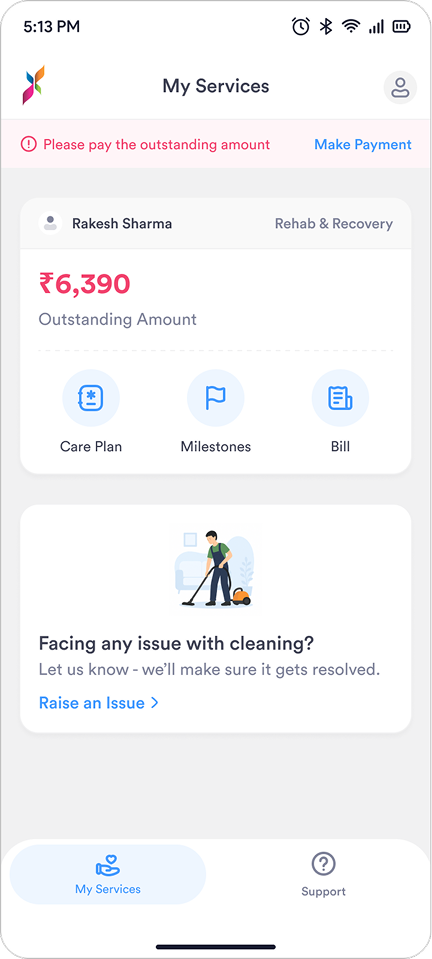
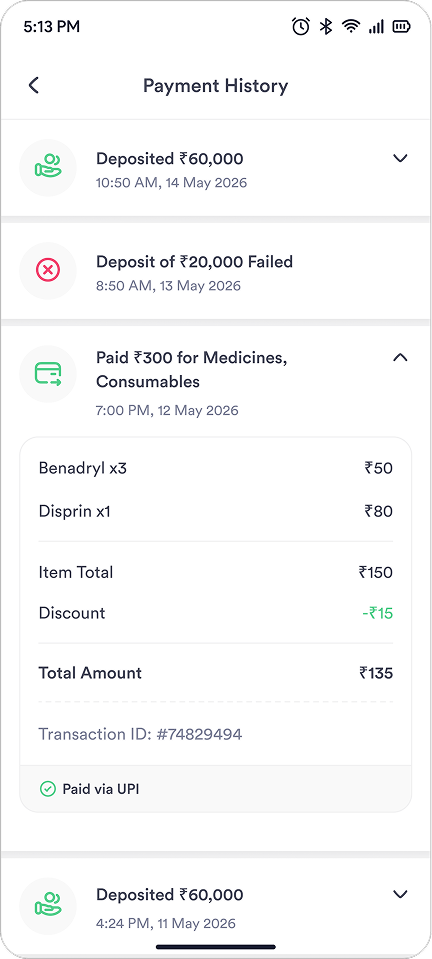
Families can now view bills and make payments from the app, without visiting the reception every time.
Reporting and Tracking Issues
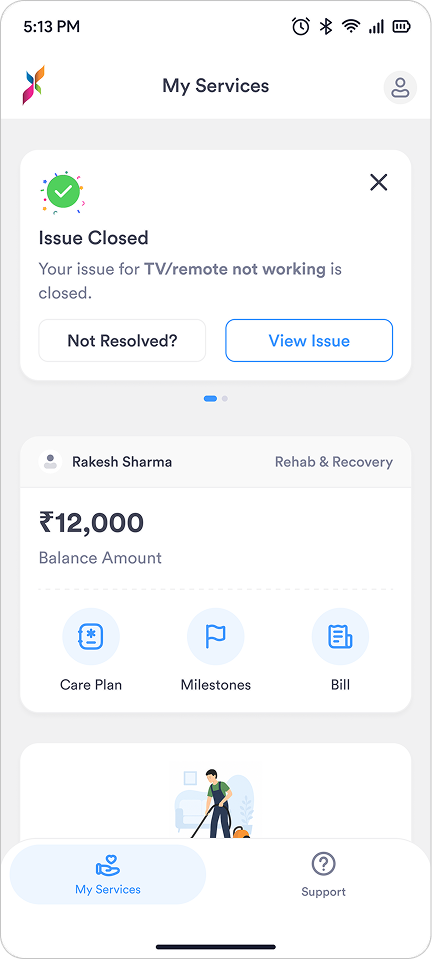
Families can report issues and track updates directly in the app, while giving staff and the business clear visibility into recurring problems that need attention.
Other Screens
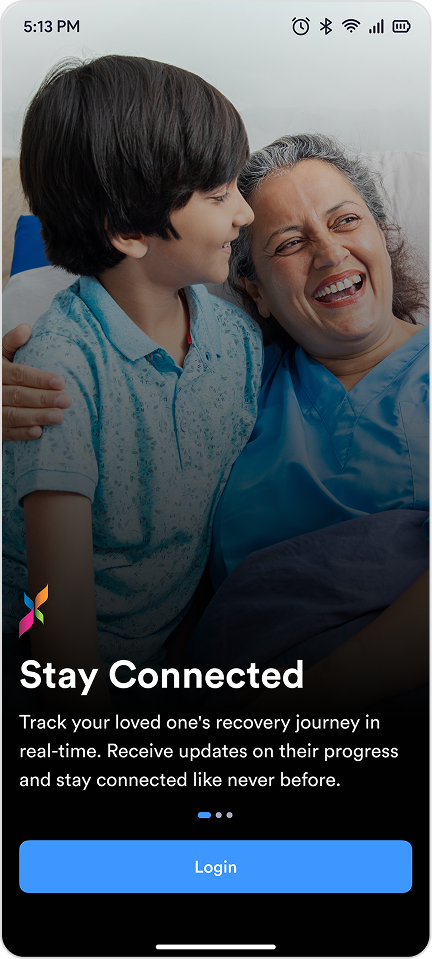
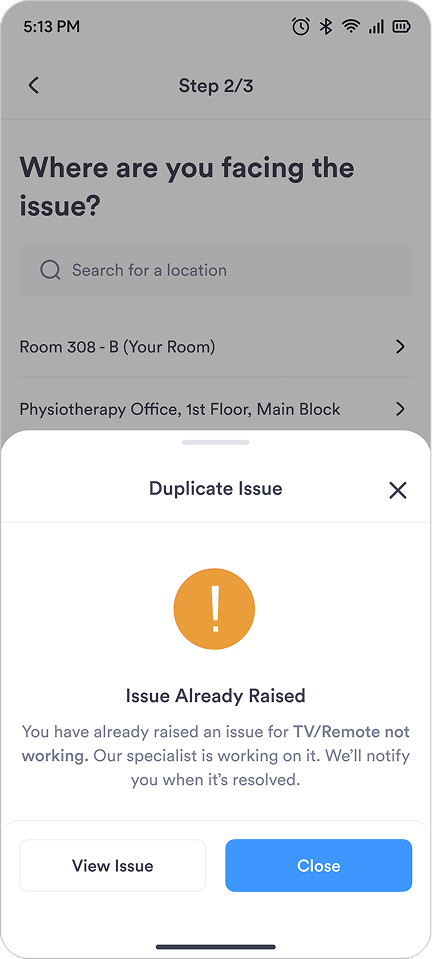
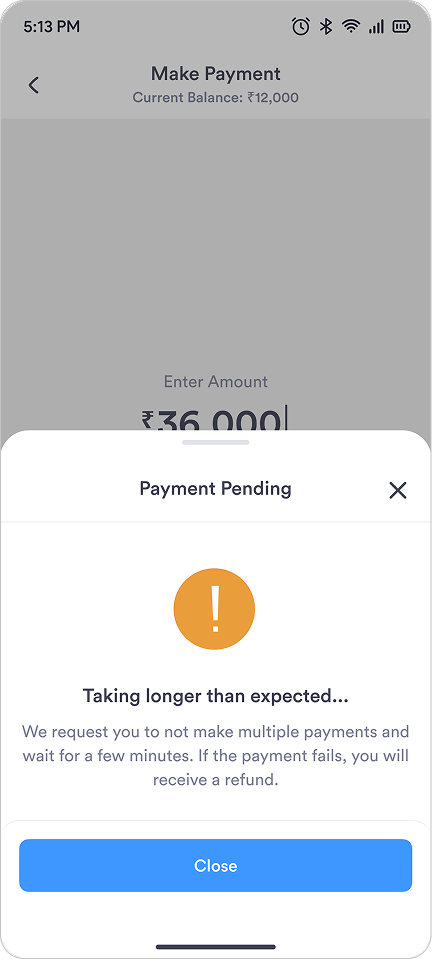
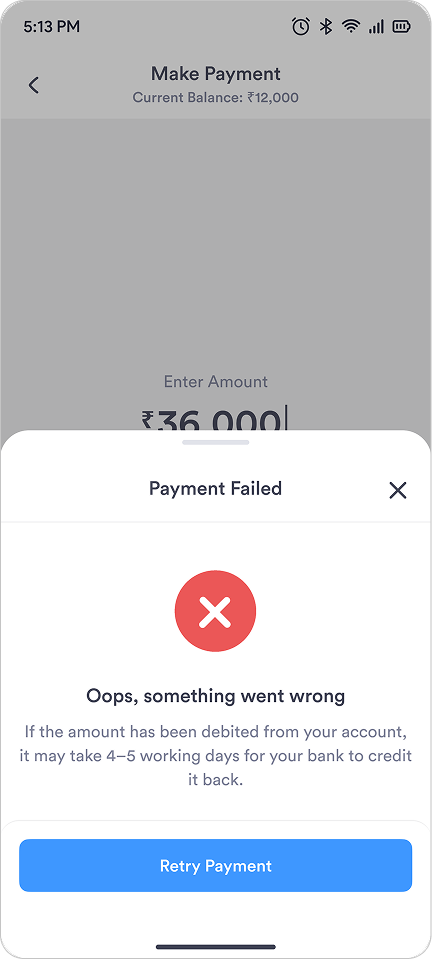
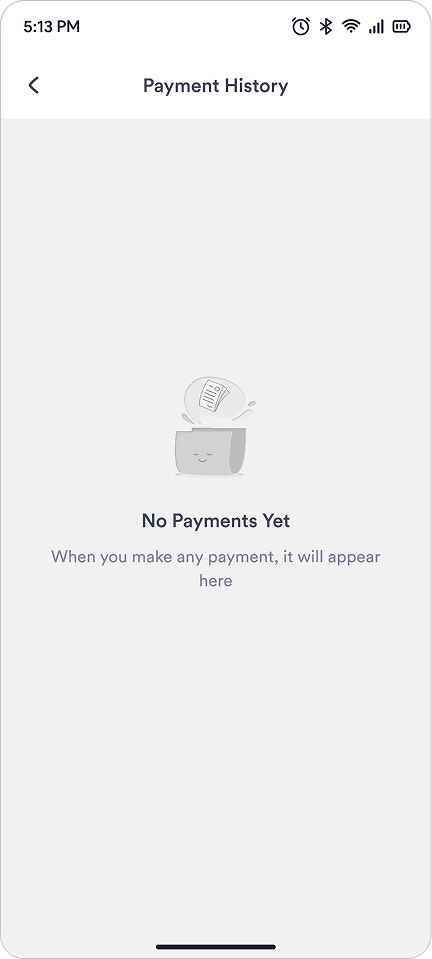
10% 90% of newly admitted families logged into the app
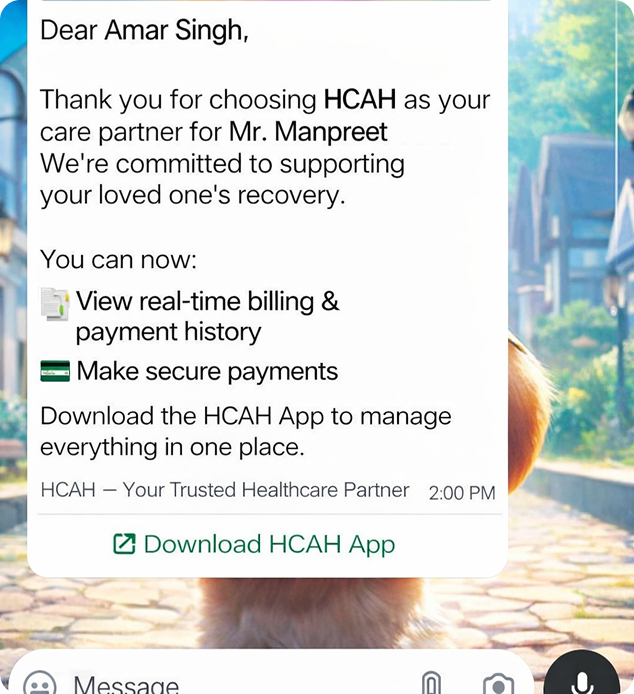
Adoption stalled at 10% after launch. Talking to families showed it wasn't a product gap but a discovery one, so we fixed how people found the app, not what was in it.
After launch, only 10% of families were logging into the app. To understand why, I spoke with staff and patients' family members.
I found that many families were simply unaware that the app existed. Even those who knew about it didn't clearly understand how it could help them, giving them little reason to download it.
What We Did
Instead of adding more features, I and the PM focused on making sure families knew about the app and understood its value.
- We sent families a WhatsApp message with the app download link after the patient's admission, explaining how the app could help them during the stay.
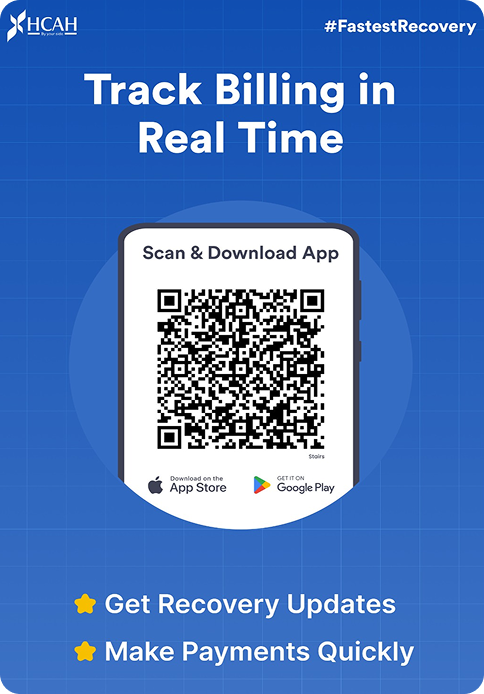
- We also placed QR code posters across the centres, making it easy for families to discover and download the app.
Making the App Easier to Discover
The Result?
Within a couple of weeks of introducing these changes, app logins increased from 10% to around 90%.
This reinforced an important lesson: building a useful product isn't enough if users don't know it exists or understand why they should use it.
Impact
Bringing billing, payments and issue tracking into one place changed how families experienced a stay at HCAH's recovery centres, and took real load off the reception desk.
42%of users shifted from paying at reception to paying through the app
30%of users raised issues through the app each month
50%reduction in bill printouts, saving time for reception staff
Mukesh, a patient's family member
I can easily pay the bill now without going to the reception every time.
Dhvani, a reception staff
I'm now printing less bills everyday. I'm using that time to do more important tasks.
Learnings
Two things I took from building this: value is what drives adoption, and one problem solved fully beats four solved partially.
1. Adoption comes from providing value
The app was designed with a single goal: making it easier for families to manage their loved one's stay. By solving their core problems and providing clear value, adoption came naturally.
2. Solve one problem fully rather than four partially
Rather than spreading my effort across multiple problems, I focused deeply on one clearly understood problem first. This clarity helped me make more confident decisions and solve billing effectively before expanding the experience further.